-
Oreoluwa F.
- 26 February 2025
- Crypto Talk
- (0)
The Most Crypto-Friendly States in the US in 2026
The most crypto-friendly states in 2026 are Wyoming, Texas, Florida, New Hampshire, Tennessee, Nevada, South Dakota, Alaska, Washington, and Arizona. Each combines the absence (or imminent phase-out) of state income…
-
- 15 January 2025
- Crypto Talk
- (0)
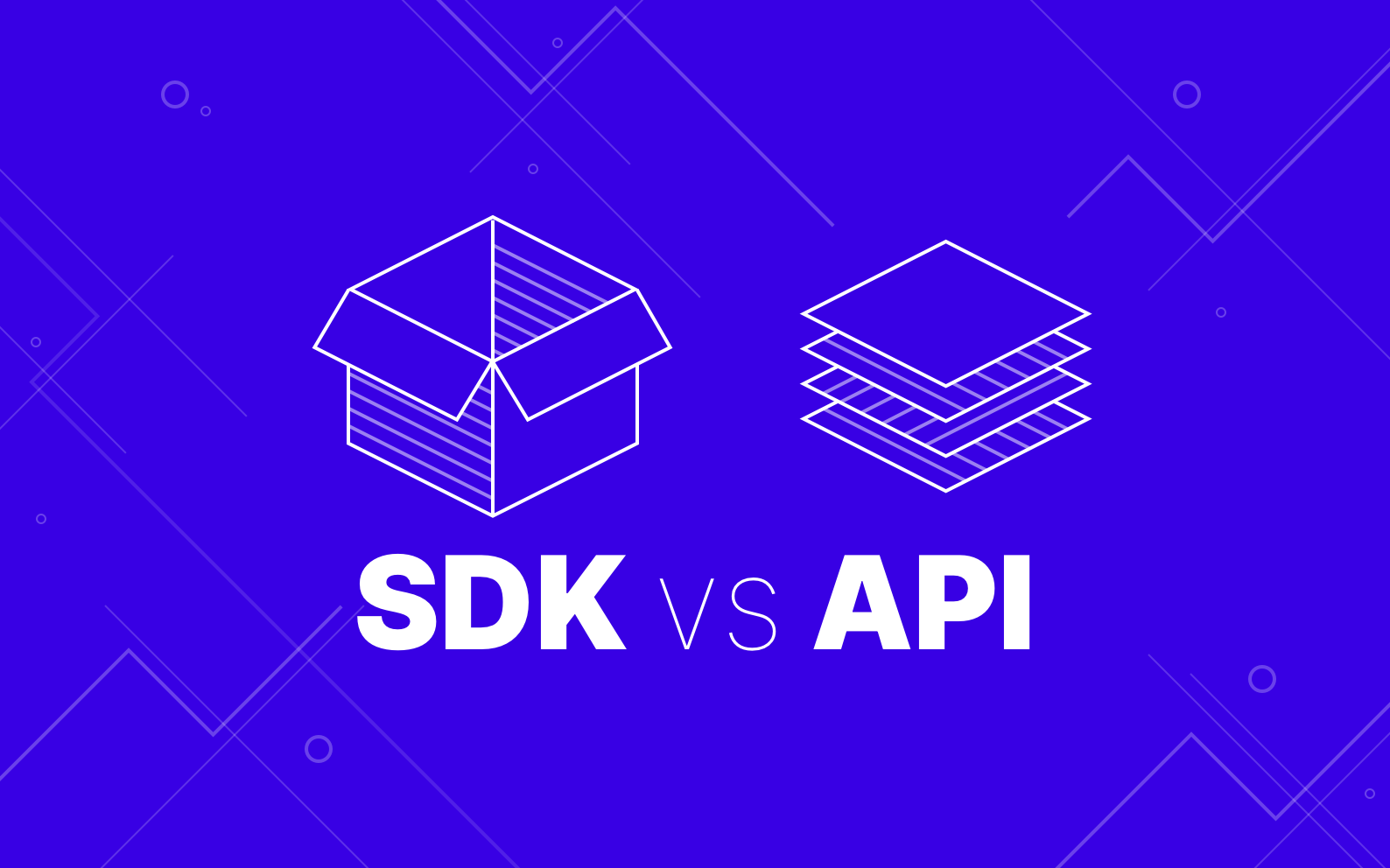
SDK vs. API: What’s the Difference?
An API (Application Programming Interface) is a defined contract that lets two software systems communicate. An SDK (Software Development Kit) is a packaged toolset, usually wrapped around one or more…
-
- 15 September 2024
- Crypto Talk
- (0)
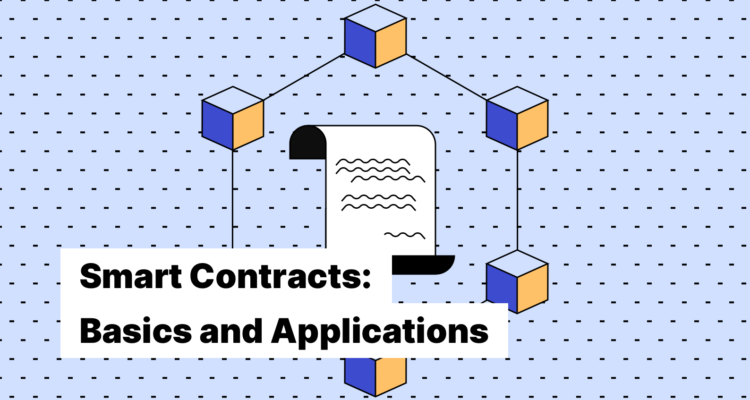
Smart Contracts: Basics and Applications
Think of a world where you can conduct business without needing to trust or even know the other party. This is the power of smart contracts—self-executing agreements that operate on…

-
- 8 September 2024
- Crypto Talk
- (0)
Liquidity in Crypto Markets: The Complete 2026 Guide
Liquidity in crypto markets is the ease with which a digital asset can be bought or sold without moving its price. In 2026, deep liquidity is the dividing line between…

-
- 7 July 2024
- Crypto Talk
- (0)
Top 10 Must-Read Crypto Books in 2024
Exploring must-read crypto books enriches one’s comprehension of the digital currency revolution. From foundational texts that lay out the principles of Bitcoin to comprehensive guides on blockchain technology, these books…

-
- 9 June 2024
- Crypto Talk
- (2)
Crypto Millionaires: Stories of Early Adopters
In this piece, we delve into the compelling stories of some early adopters who saw promise in the fledgling world of cryptocurrencies and turned crypto millionaires. From the visionary programmers…

-
- 9 June 2024
- Crypto Talk
- (0)
9 Real-World Applications of Blockchain in Businesses
Blockchain technology, once a concept confined to the realm of cryptocurrencies, has emerged as a revolutionary force poised to transform the business landscape much like the internet did in the…
-
- 3 June 2024
- Crypto Talk
- (1)
Layer 2 Scaling Solutions
Blockchain technology has garnered significant attention in recent years for its potential to revolutionize various industries, from finance to supply chain management. At the heart of this innovation lies the…
-
- 12 May 2024
- Crypto Talk
- (0)
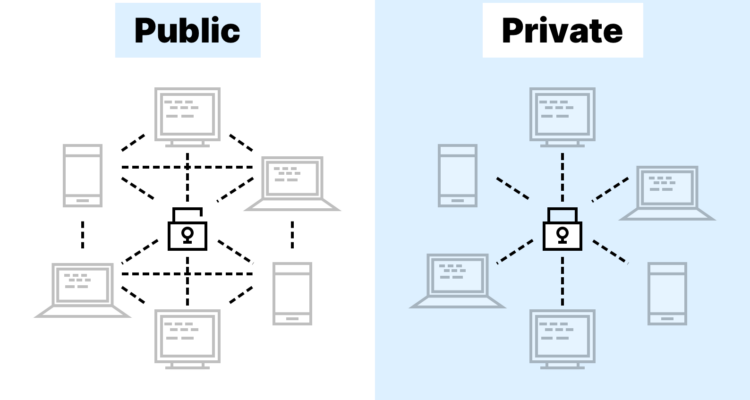
Public vs Private Blockchain: Key Differences, Examples, and Use Cases
Public and private blockchains use many of the same building blocks, but they are designed for very different trust models. One allows almost anyone to participate and verify what happens…

-
- 5 May 2024
- Crypto Talk
- (1)
Blockchain Interoperability: Bridging the Divide in Decentralized Networks
In the rapidly evolving landscape of blockchain technology, interoperability stands as a crucial frontier. As blockchain networks proliferate and diversify, the need for seamless communication and interaction among them becomes…

Hello, we're a team of fintech developers on a mission to make life easier for app builders. Our nifty APIs are designed to help you effortlessly link up users with their digital assets